Window cost by material
After window style, frame material is the single biggest driver of price. The same casement can cost a few hundred pounds in uPVC or well over a thousand in timber. This guide compares uPVC, aluminium and timber like-for-like on typical UK cost, lifespan and the trade-offs that come with each, so you can weigh price against value before you request quotes.
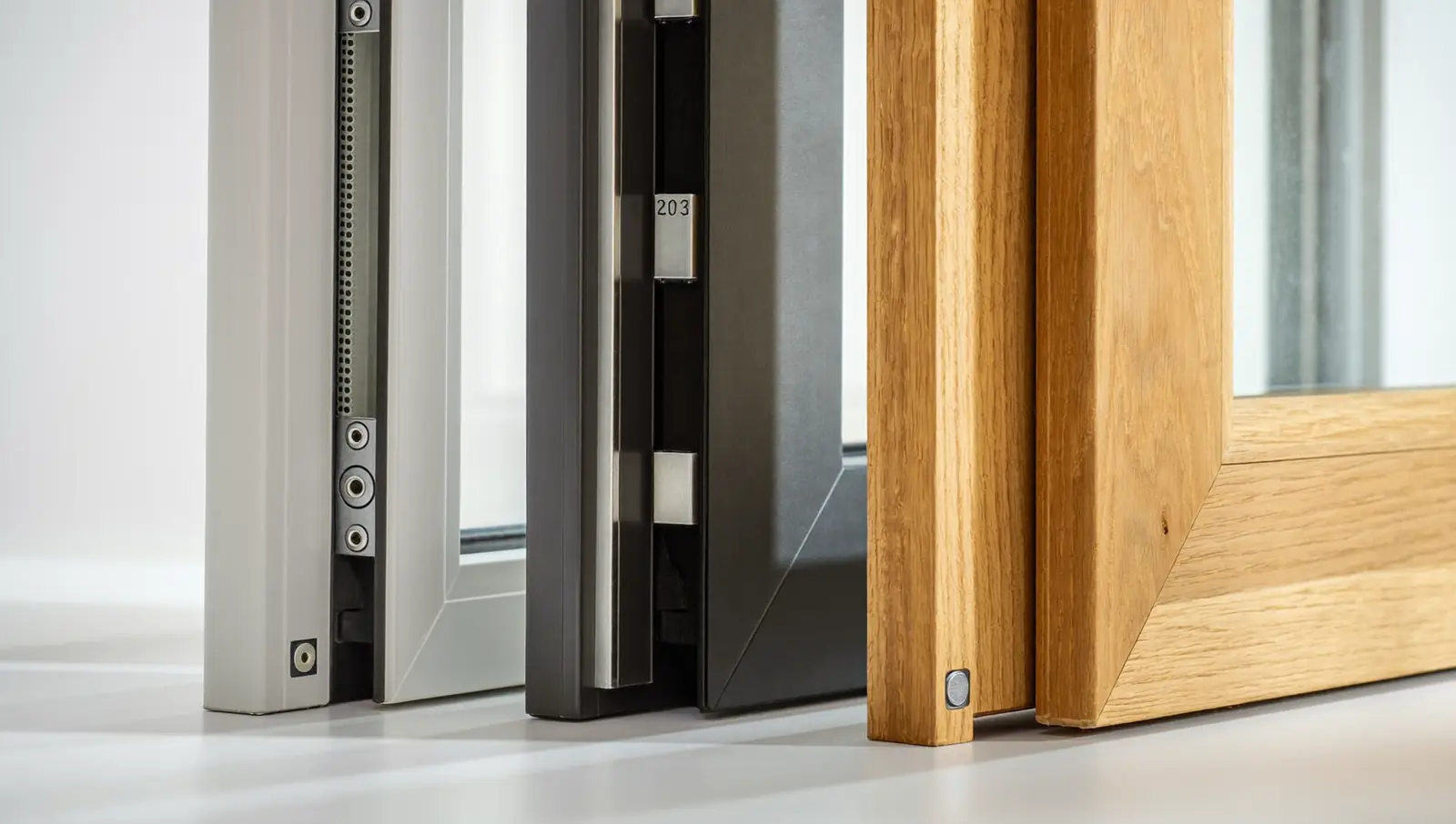
uPVC — the affordable default
uPVC is the UK's most popular frame material and usually the cheapest, with typical supplied-and-fitted casements from around £350 to £650. It is low-maintenance, well-insulated and available in a wide range of colours and woodgrain finishes. The trade-off is bulkier sightlines than aluminium and a look some period-home owners feel is less authentic than timber. For most homeowners it offers the best value, and our full uPVC window cost guide breaks the figures down.
Aluminium — slim, strong, mid-priced
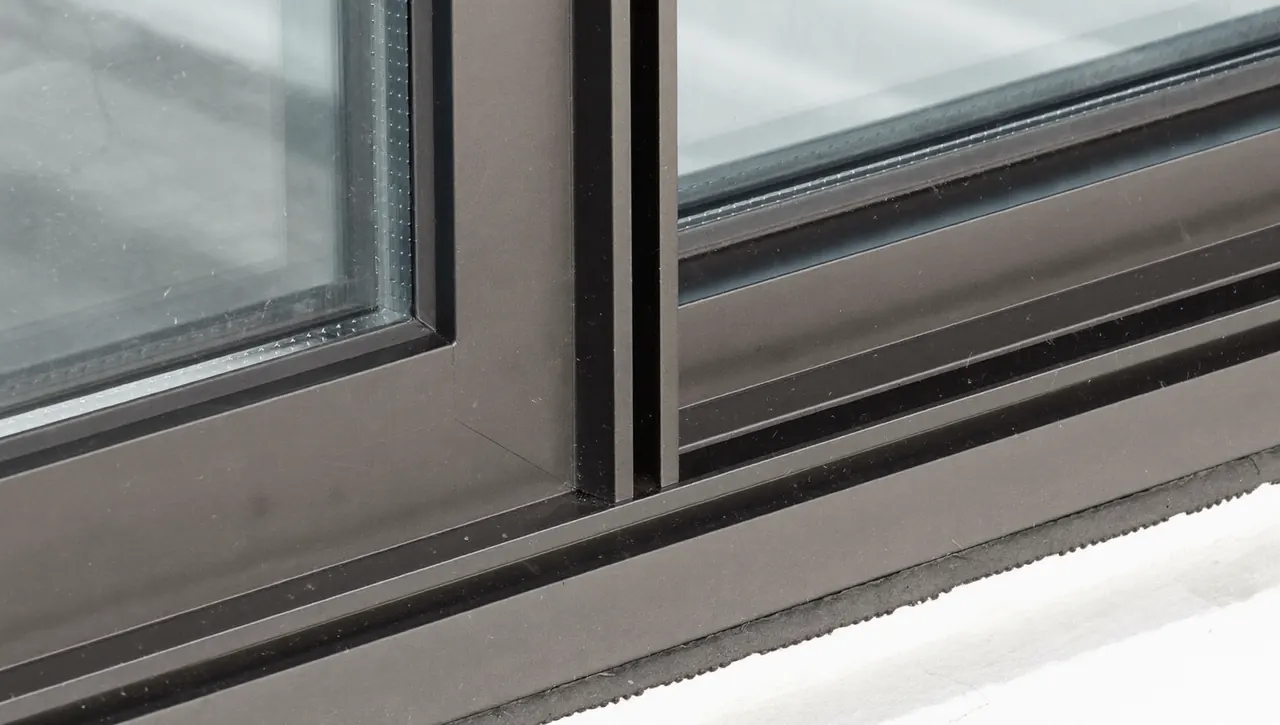
Aluminium frames are thin yet strong, allowing more glass and a contemporary look. They typically cost more than uPVC — often £550 to £1,000 for a casement — but less than premium timber. Aluminium is durable, powder-coated in almost any colour and very long-lived. It suits modern extensions and large glazed openings. See our aluminium window cost guide for the detail.
Timber — heritage finish at a premium
Timber commands the highest price, typically £700 to £1,300 and up for a casement, more for sliding sash. Wood offers unmatched heritage character and is often required in conservation areas and on listed buildings. The premium reflects the material and the periodic repainting or staining it needs. Our timber window cost guide covers softwood, hardwood and engineered options.
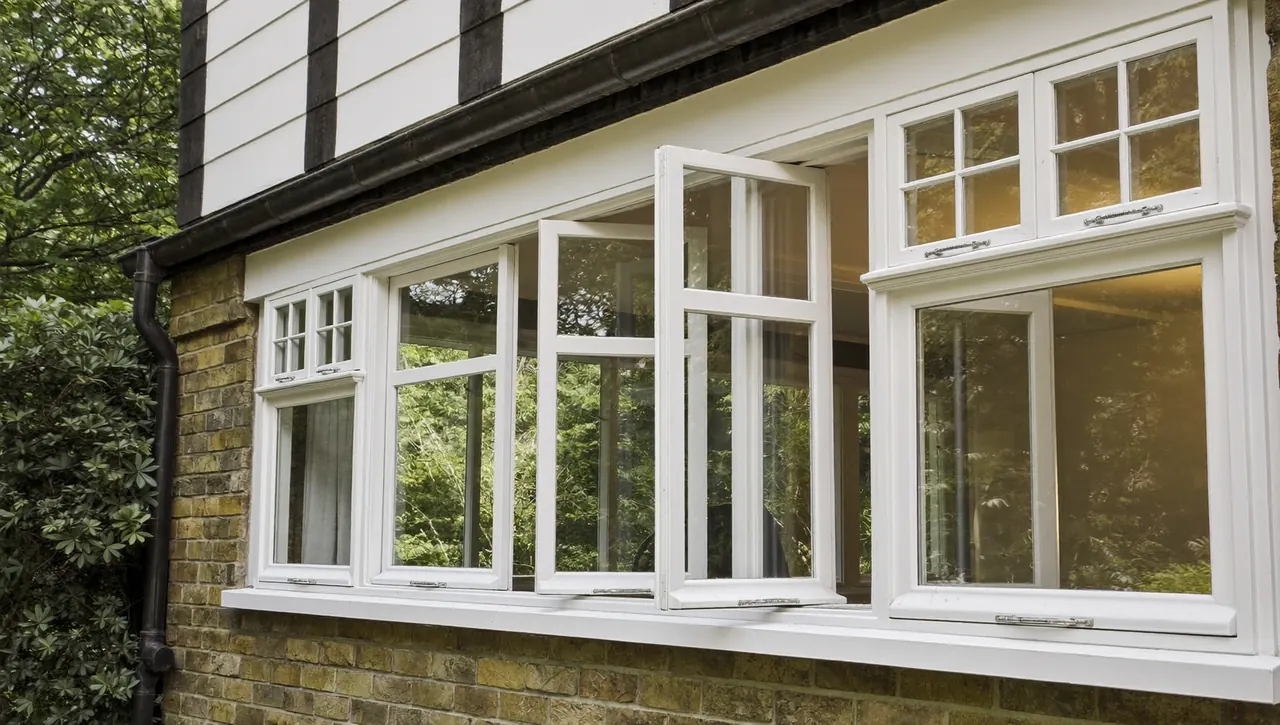
Which material offers the best value?
There is no single answer — it depends on your property, budget and how long you plan to stay. uPVC wins on upfront cost, aluminium on slim modern looks and longevity, and timber on heritage authenticity. Whatever you choose, the price also depends on window style and glazing, so read this alongside our guide to window prices by type and the overview in our window price guide.
Because installers buy and mark up materials differently, the only way to know your real figure is to compare like-for-like quotes for the exact material and spec you want.
Lifespan, maintenance and long-term value
Upfront price is only half the story. uPVC needs little more than an occasional clean and typically lasts 25 to 30 years before the seals and mechanisms start to tire. Aluminium is the most durable of the three — powder-coated frames hold their colour and resist corrosion for decades with almost no upkeep, which softens the higher initial outlay over time. Timber lasts just as long when properly cared for, but it is the only material that needs periodic repainting or restaining to stay weathertight, so factor that ongoing cost into your comparison.
Matching material to property matters too. A modern extension with large openings suits aluminium; a budget-conscious family home is well served by uPVC; and a period or conservation property often calls for timber, sometimes as a planning requirement rather than a choice. When you weigh price against lifespan, maintenance and how long you intend to stay, the cheapest option today is not always the best value over the life of the windows.