uPVC window cost
uPVC is the most popular window frame material in the UK and usually the most affordable. If you are replacing windows on a budget, uPVC is almost always the starting point. This guide sets out typical supplied-and-fitted uPVC window prices by style and size, explains what pushes the figure up or down, and shows how to make sure a quote is genuinely competitive. Every price is a typical range, confirmed only on a survey.
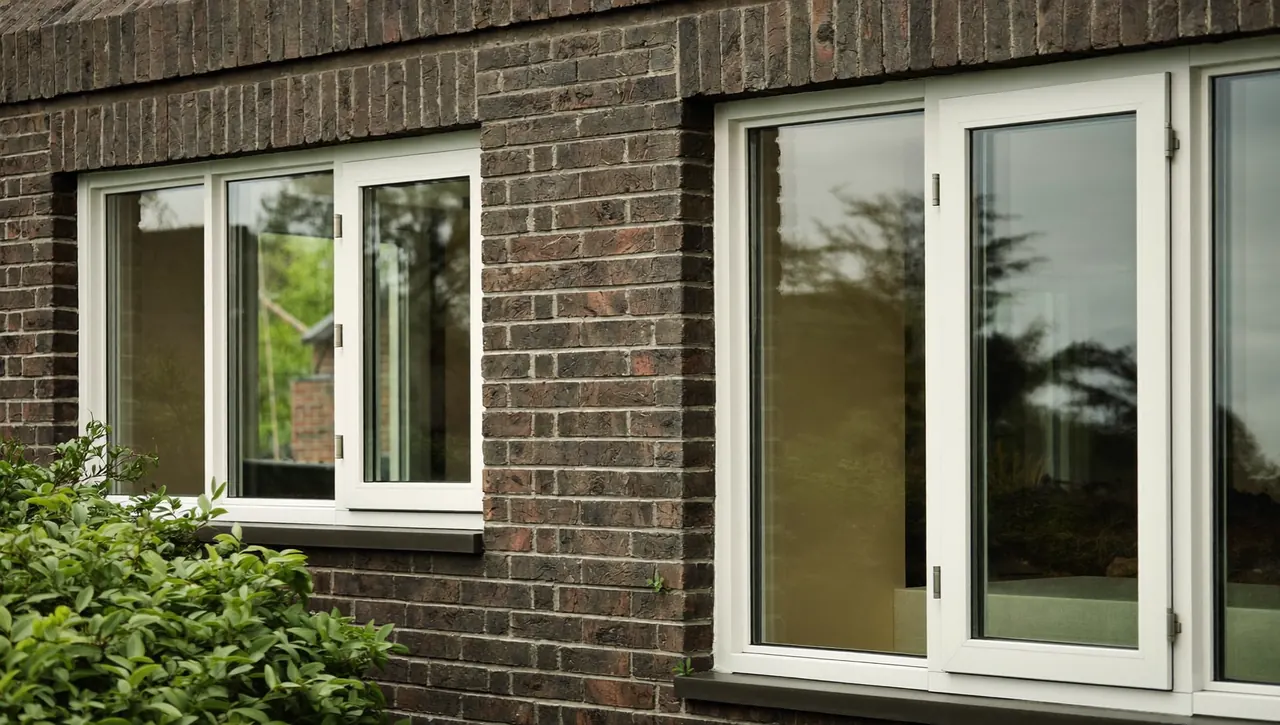
Typical uPVC window prices
As a broad guide, expect the following supplied-and-fitted ranges for a single uPVC window:
- Casement: around £350–£650
- Flush casement: around £400–£750
- Tilt & turn: around £450–£850
- Sash: around £600–£1,100
- Bay: around £1,000–£2,200
These assume a standard white finish and double glazing. Coloured or woodgrain foils, triple glazing and larger openings all add to the figure.
What drives the price
Size is the first factor — a large opening uses more profile and glass. Finish matters too: anthracite grey and woodgrain foils typically add ten to twenty per cent over white. Glazing specification (double versus triple, acoustic or toughened glass, and the energy rating) and the ease of access to the opening also move the number. Our guide to what affects window prices covers each factor in full.
Is uPVC good value?
For most homeowners, yes. uPVC delivers strong thermal performance, needs little maintenance beyond an occasional wipe, and lasts decades. The main compromises are chunkier sightlines than aluminium and a look that some period-property owners feel is less authentic than timber. If those matter to you, compare the alternatives in our aluminium window cost and timber window cost guides before deciding.
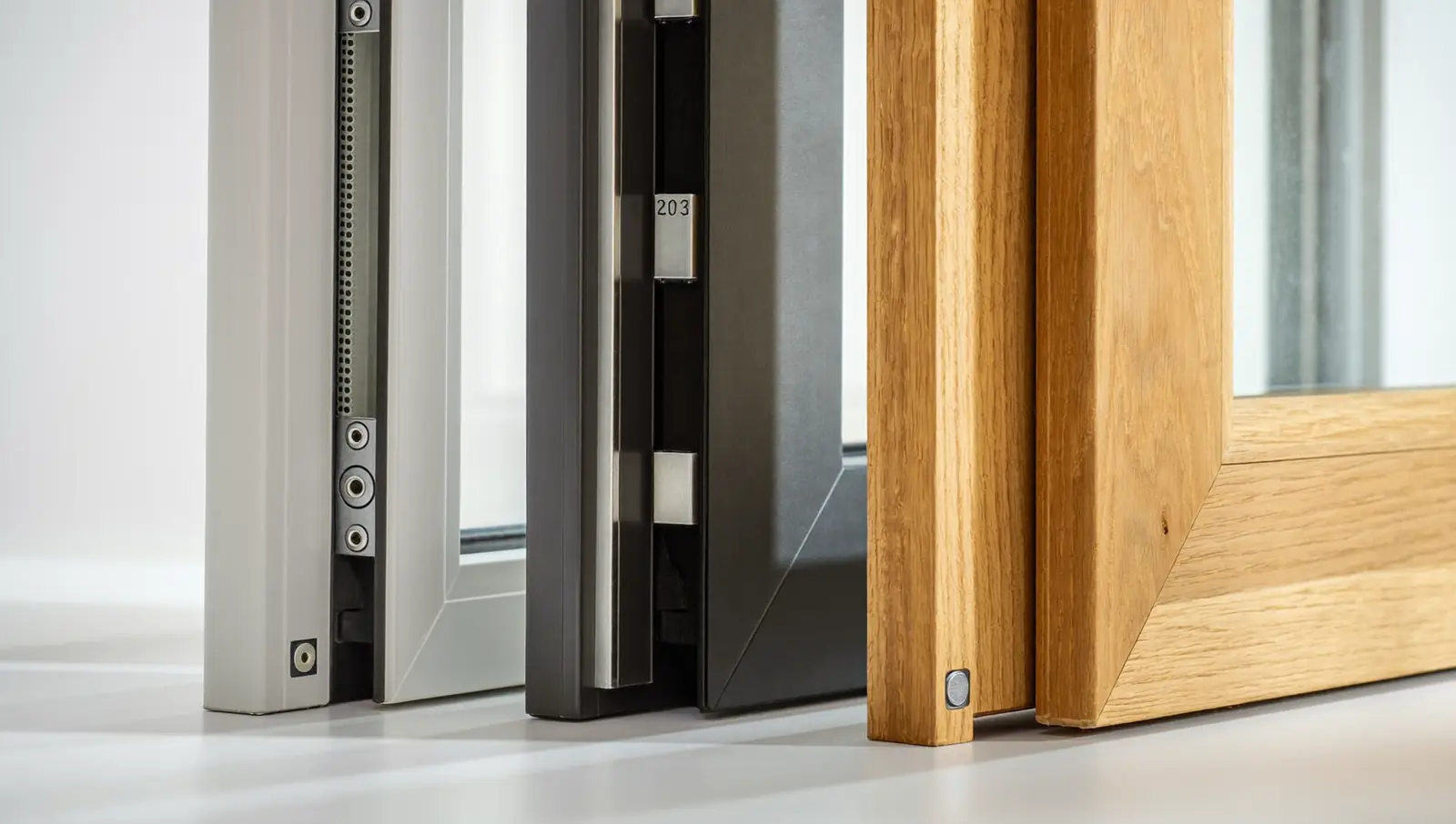
Getting the best uPVC price
Because uPVC is a commodity product, prices between installers can vary widely for the same specification. Always compare at least three like-for-like quotes, check that each includes fitting, making-good and a guarantee, and confirm the glazing spec matches. See how the material fits the bigger picture in our window price guide, and when you are ready, get matched with accredited local firms to compare real numbers.
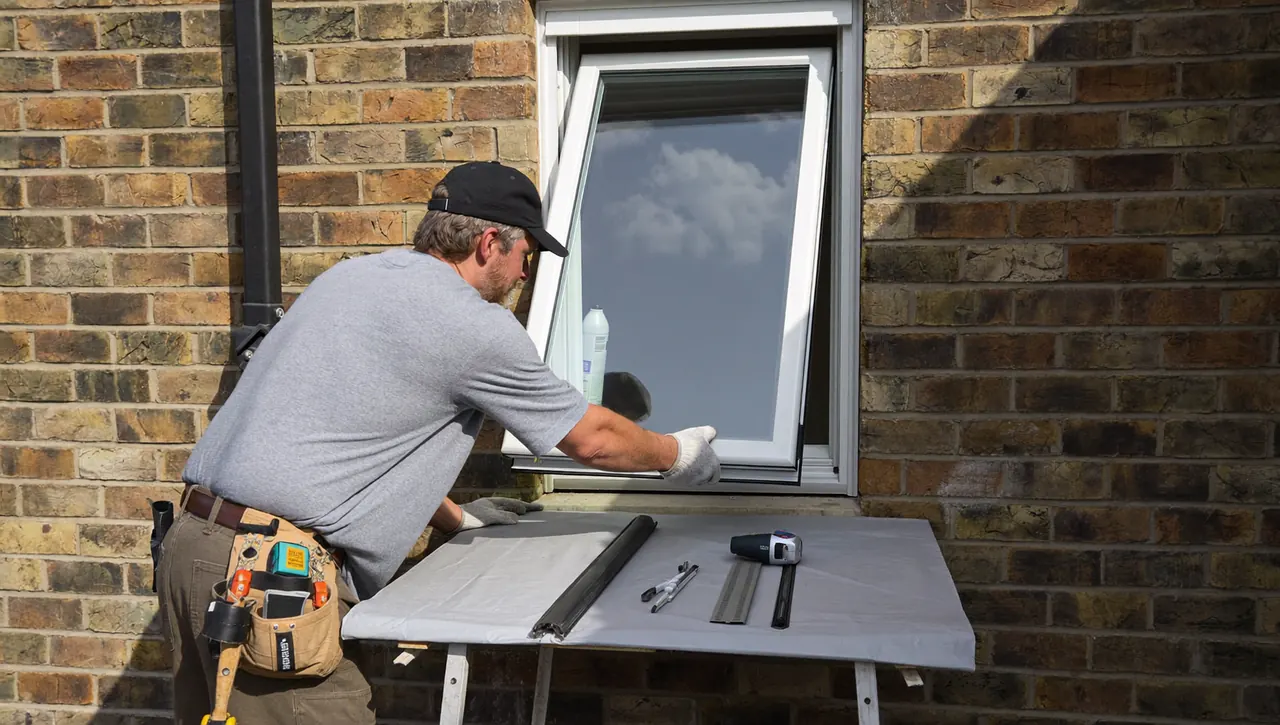
Colours, finishes and glazing options
Modern uPVC is a long way from the plain white frames of the past. Anthracite grey has become the most popular colour choice, and woodgrain foils such as golden oak or rosewood mimic timber convincingly for a fraction of the price. Dual-colour frames — a different shade inside and out — are also available. Each of these finishes typically adds ten to twenty per cent over standard white, so factor them in when you compare quotes.
Glazing is the other choice that moves the figure. Standard double glazing is included in most uPVC prices, but you can upgrade to triple glazing for extra warmth and sound insulation, or add acoustic or toughened glass where needed. According to the Energy Saving Trust, replacing older single glazing with energy-efficient units cuts the heat lost through your windows, which can help offset the cost over the years you own the home.