Aluminium window cost
Aluminium windows sit between uPVC and timber on price, and their slim, strong frames have made them a favourite for modern homes and large glazed openings. This guide sets out typical UK aluminium window prices by style, explains what pushes the figure up or down, and helps you decide whether the premium over uPVC is worth it. As always, every figure is a typical range confirmed only on a home survey.
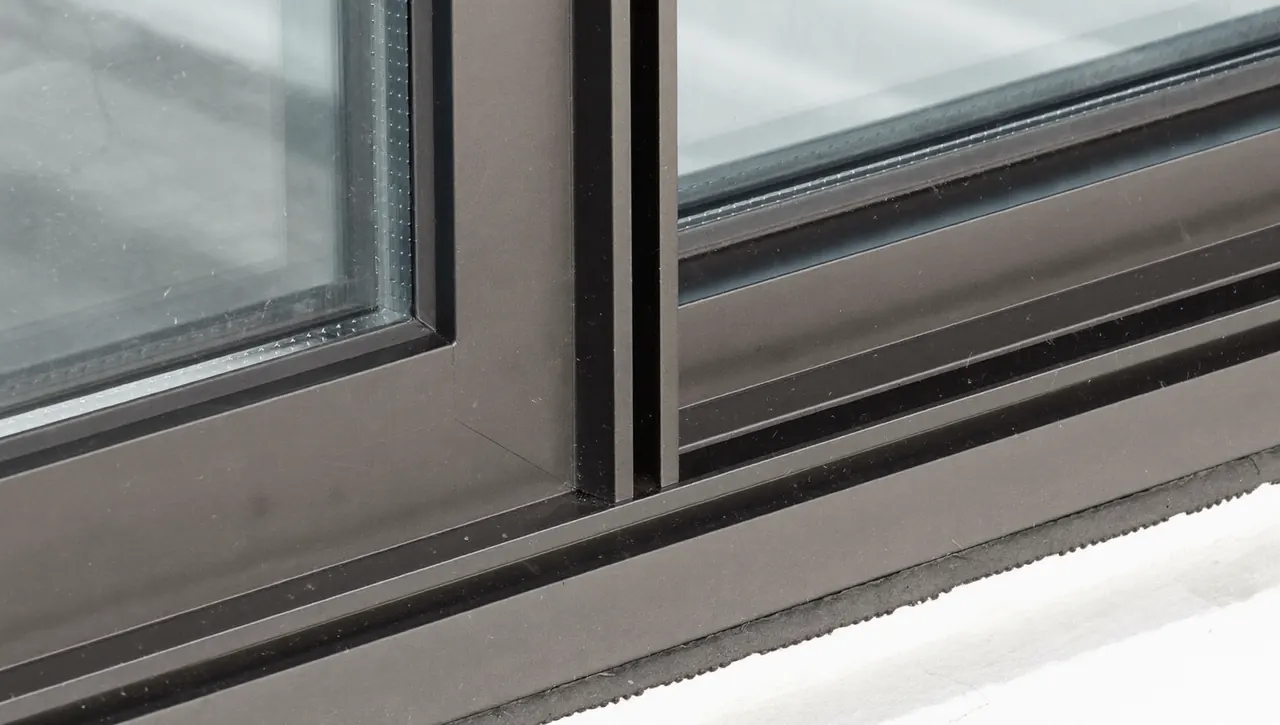
Typical aluminium window prices
As a broad guide, expect the following supplied-and-fitted ranges for a single aluminium window:
- Casement: around £550–£1,000
- Tilt & turn: around £650–£1,200
- Flush casement: around £600–£1,100
- Sash: around £900–£1,600
- Bay: around £1,600–£3,200
These assume a standard powder-coated finish and double glazing. Dual-colour finishes, oversized units and triple glazing add to the figure.
What drives the price
Aluminium costs more than uPVC because the material and the thermally-broken frames needed to meet modern efficiency standards are more expensive to produce. Size has an outsized effect — one of aluminium's selling points is the ability to build very large windows, but bigger units mean more cost. Powder-coat colour, dual-colour finishes (a different shade inside and out) and glazing spec all move the number. Our guide to what affects window prices explains each in detail.
Is aluminium worth the premium?
It depends on what you value. Aluminium's slim sightlines let in noticeably more light than uPVC, it is extremely durable, and modern powder coatings keep their colour for decades with almost no maintenance. For contemporary extensions, large picture windows and homeowners who want a crisp architectural look, the premium is often justified. If budget is the priority, compare it against our uPVC window cost guide; if heritage character matters more, see timber window cost.
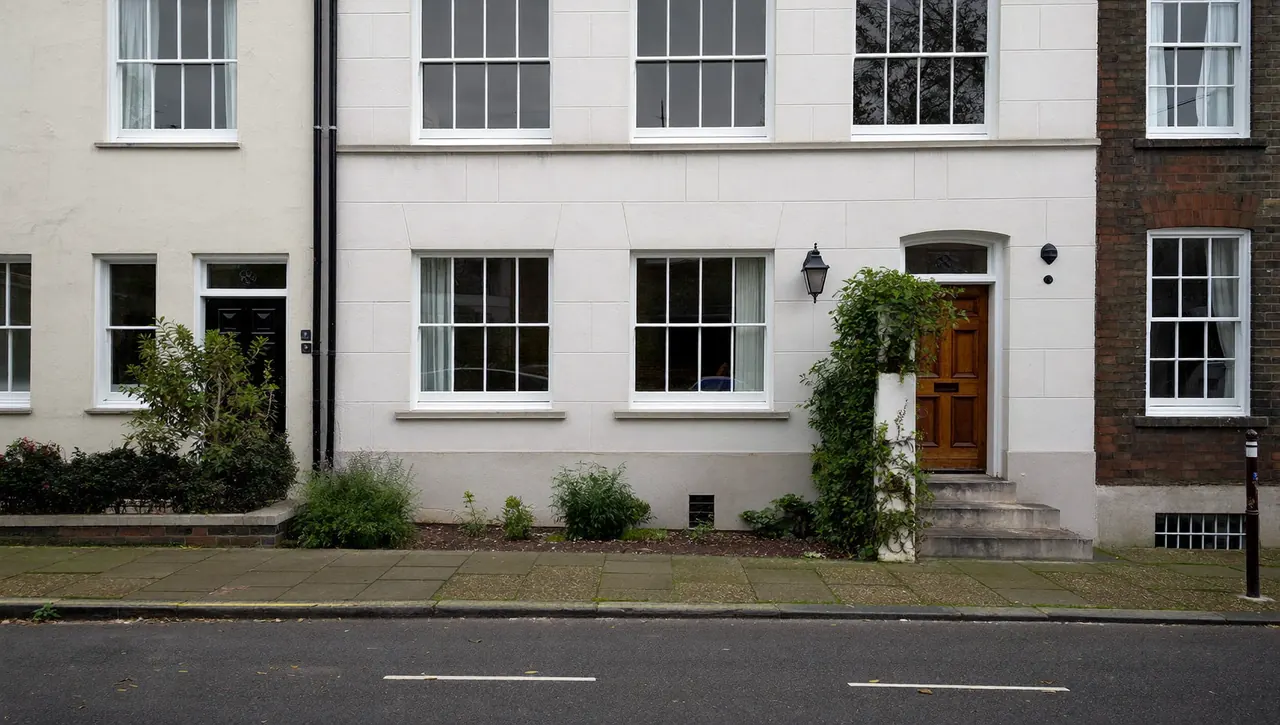
Getting the best aluminium price
Aluminium quotes vary more than uPVC because systems and finishes differ between suppliers. Make sure each quote specifies the same system, the same finish and thermally-broken frames, then compare at least three like-for-like. See how material fits alongside style and glazing in our window price guide, then get matched with accredited local installers to compare real figures.
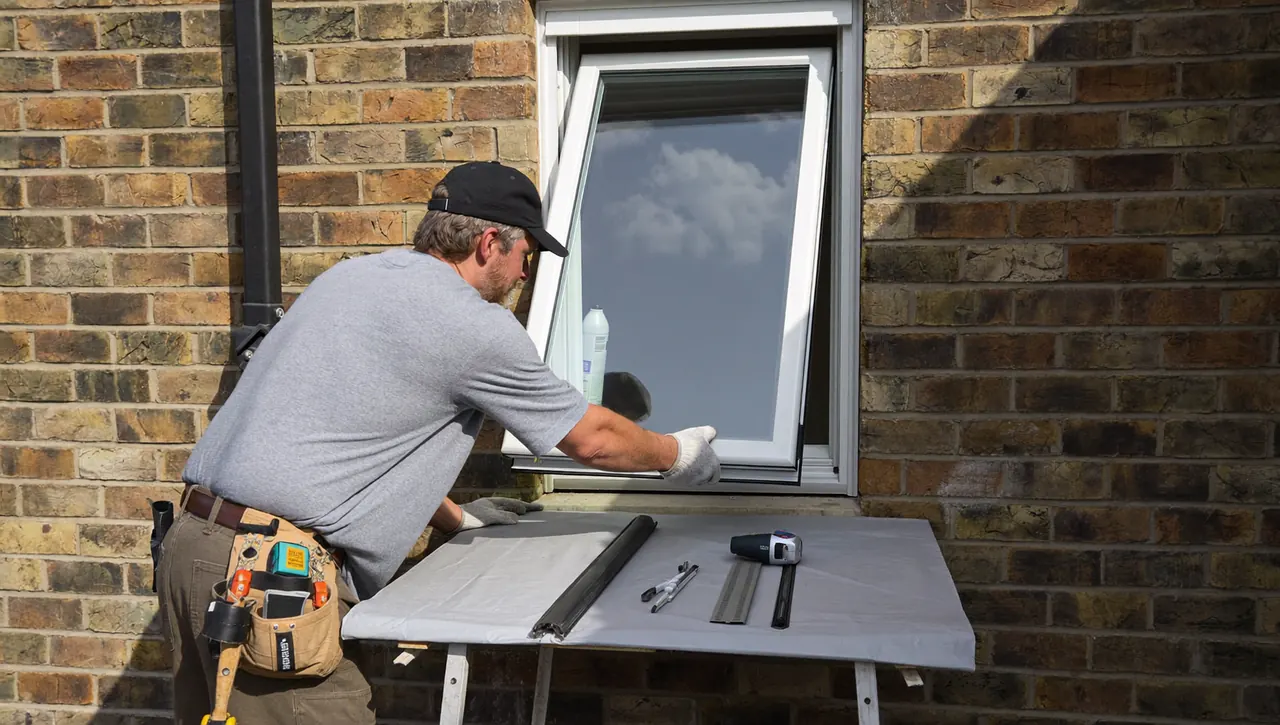
Finishes, glazing and lifespan
One of aluminium's strengths is choice of colour. Frames are powder-coated in almost any RAL shade, from popular anthracite grey to bold or heritage colours, and dual-colour finishes let you pair a dark exterior with a lighter interior. The coating is baked on, so it resists fading and needs no repainting — a wipe down is all the upkeep it asks for. This durability is a big part of why aluminium justifies its premium over uPVC for many homeowners.
On glazing, aluminium's rigidity makes it well suited to large panes and slim sightlines, so it is a natural choice for picture windows and bi-fold-style openings. Double glazing is standard, with triple glazing available where extra insulation is wanted. Because the frames are so strong and the coating so long-lived, aluminium windows routinely last 30 years or more, which spreads the higher upfront cost across a long service life.