Timber window cost
Timber windows carry the highest price of the three main materials, but for period homes, conservation areas and listed buildings they are often the right — or the required — choice. This guide sets out typical UK wooden window prices by style and wood type, explains why they cost more, and shows how to compare quotes so the premium buys genuine quality. Every figure is a typical range confirmed only on a home survey.
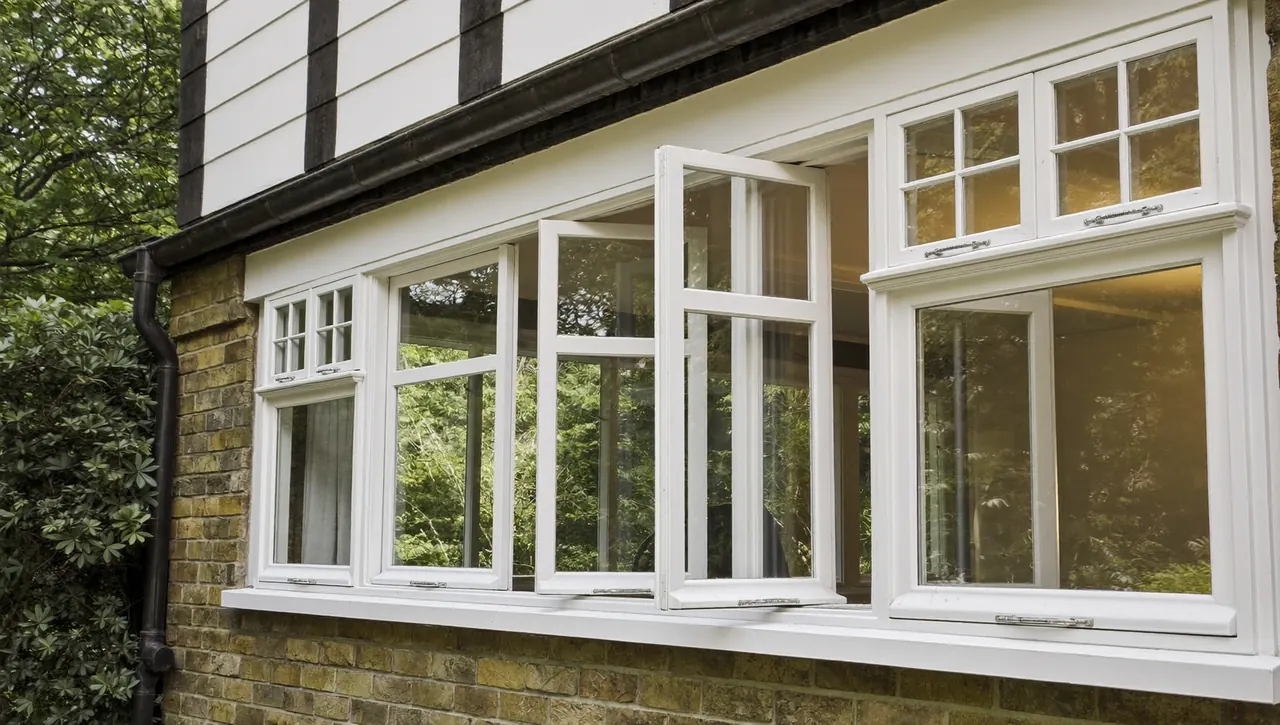
Typical timber window prices
As a broad guide, expect the following supplied-and-fitted ranges for a single wooden window:
- Casement: around £700–£1,300
- Flush casement: around £800–£1,500
- Tilt & turn: around £850–£1,600
- Sash: around £1,000–£2,000
- Bay: around £1,900–£3,800
Hardwood and authentic box-sash construction sit at the top of these ranges; treated softwood at the lower end.
Softwood, hardwood and engineered timber
Timber windows come in three broad grades. Softwood (usually pine or redwood) is the most affordable but needs the most upkeep. Hardwood such as oak or sapele is denser, more durable and more expensive. Engineered timber — laminated layers bonded together — resists warping and holds paint longer, and is now common on quality modern wooden windows. The grade you choose has a big effect on the final price.
Why timber costs more
The premium reflects the material itself, the joinery skill involved, factory finishing, and the periodic repainting or restaining timber needs to stay weathertight. In conservation areas and on listed buildings, timber may be a planning requirement, in which case it is less a choice than a specification. Weigh it against the alternatives in our uPVC window cost and aluminium window cost guides.
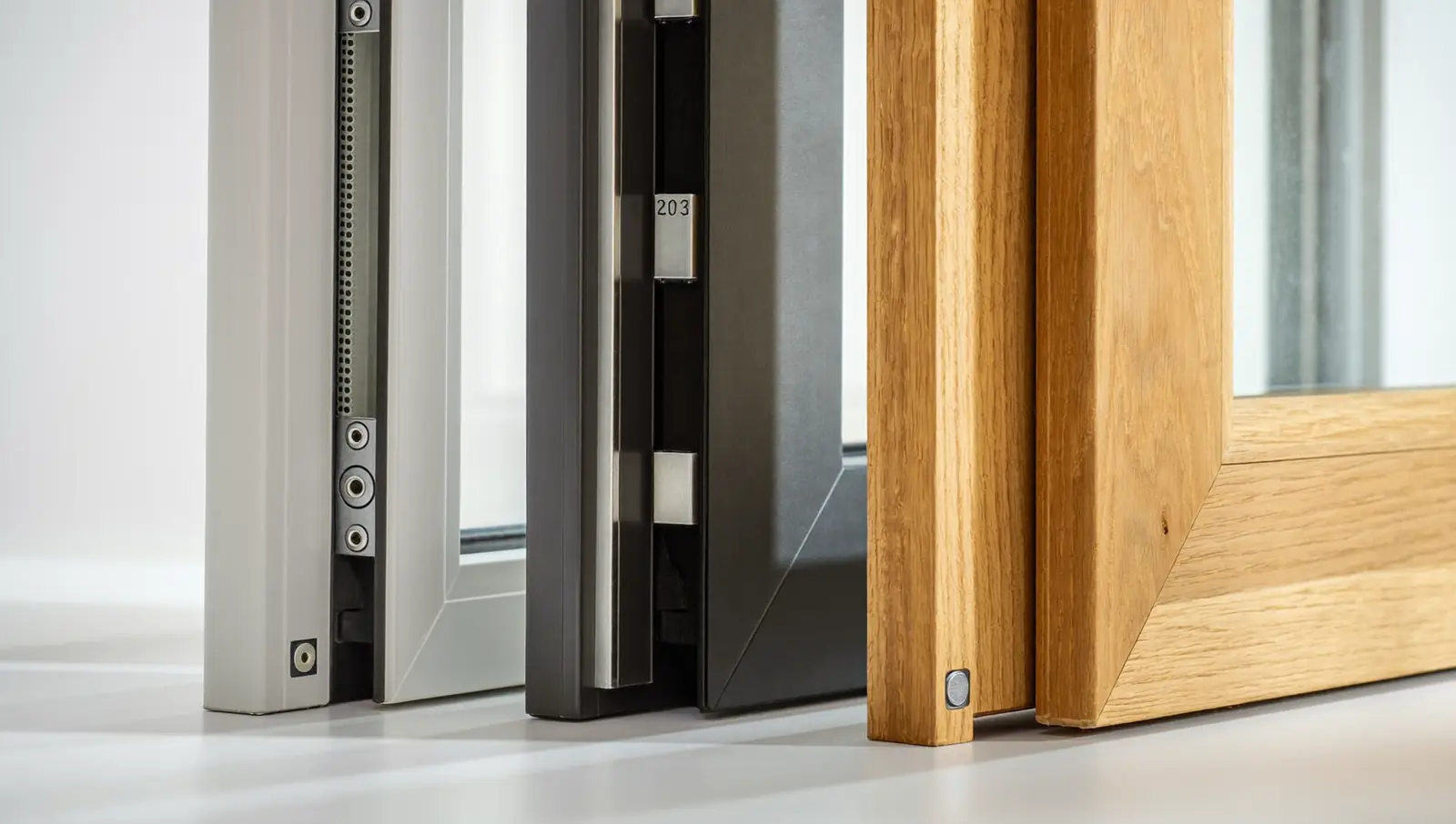
Getting the best timber price
Timber quotes vary hugely with wood grade, finish and joinery quality, so comparing like-for-like is essential — confirm the wood species, the finish and the guarantee on every quote. See how material interacts with style in our window price guide, then get matched with accredited local installers who work with timber to compare real figures.
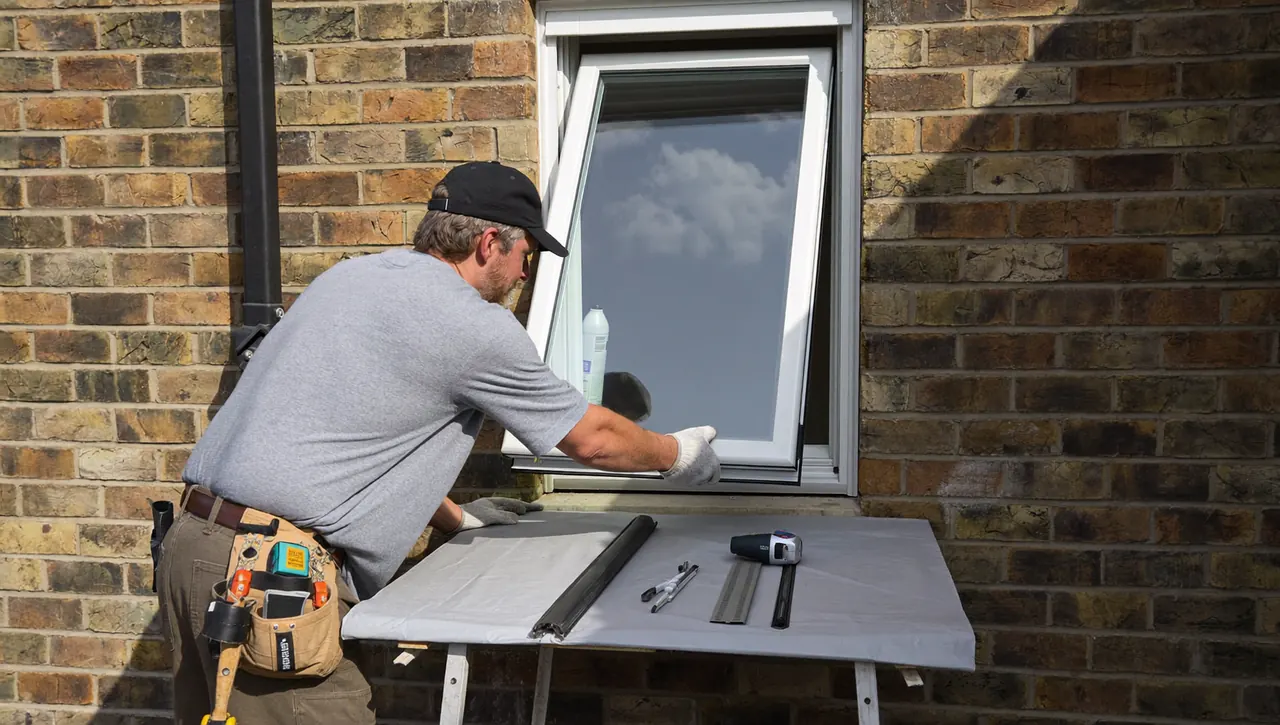
Maintenance and conservation areas
Timber's ongoing upkeep is the trade-off for its looks. Frames need repainting or restaining every few years to stay weathertight, though modern factory-applied microporous finishes have stretched that interval considerably compared with older windows. Engineered timber and quality finishing reduce the maintenance burden further, which is worth weighing against the lower headline price of softwood when you compare quotes. Budget for the occasional coat of paint as part of the true cost of ownership.
For many owners, timber is not simply a preference. In conservation areas, and on listed buildings, the local authority may require windows to match the original in material and detailing, which usually means timber. If that applies to your home, check what the planning conditions specify before you request quotes, and choose an installer with genuine experience of heritage joinery and any relevant approvals — it protects both the look of the property and its value.